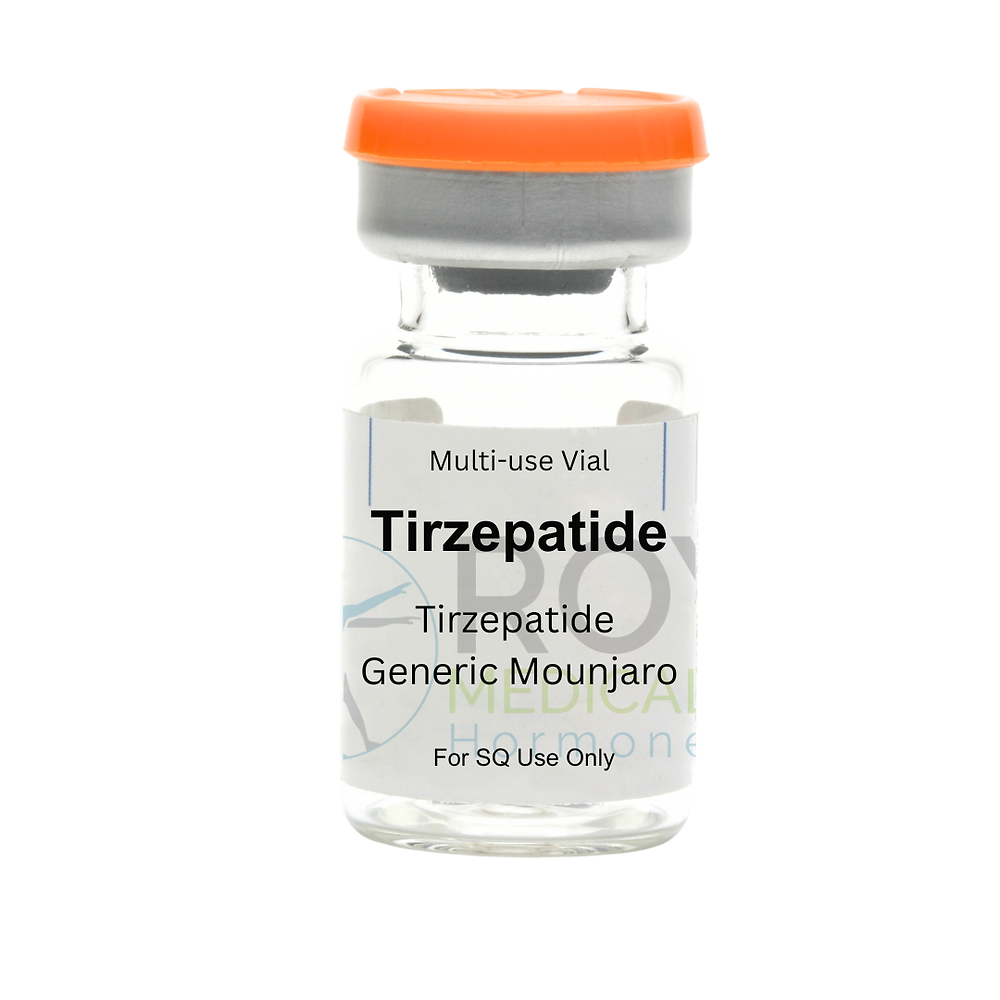
Description
Mounjaro (Tirzepatide): A Scientific Overview of a Dual Incretin Receptor Agonist
Mounjaro is the brand name for tirzepatide, a once-weekly injectable medication developed by Eli Lilly and Company. It belongs to the class of dual glucose-dependent insulinotropic polypeptide (GIP) and glucagon-like peptide-1 (GLP-1) receptor agonists. This dual mechanism distinguishes it from earlier single-pathway GLP-1 receptor agonists and positions it as a significant advancement in the pharmacological management of type 2 diabetes and related metabolic conditions.
Molecular Design and Mechanism of Action
Tirzepatide is a synthetic peptide engineered to activate both the GIP and GLP-1 receptors. These receptors are expressed in multiple tissues, including the pancreas, brain, and gastrointestinal tract, and play complementary roles in metabolic regulation.
Activation of the GLP-1 receptor stimulates glucose-dependent insulin secretion, suppresses glucagon release when glucose levels are elevated, slows gastric emptying, and reduces appetite through central nervous system pathways. Concurrent activation of the GIP receptor further enhances insulin secretion in a glucose-dependent manner and appears to contribute additional effects on energy balance and adipose tissue metabolism. The combined dual agonism produces a broader physiological response than selective GLP-1 activation alone.
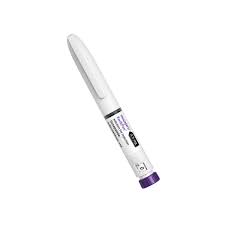
The molecule incorporates a fatty acid side chain that prolongs its half-life, enabling once-weekly subcutaneous administration. This pharmacokinetic profile supports consistent receptor engagement with convenient dosing.
Clinical Development and Evidence Base
Tirzepatide was evaluated in an extensive clinical program known as the SURPASS trials for type 2 diabetes and the SURMOUNT trials for weight management. These large, randomized, controlled studies compared tirzepatide against placebo and active comparators, including selective GLP-1 receptor agonists such as semaglutide.
In the SURPASS program, tirzepatide demonstrated robust reductions in HbA1c across a range of patient populations, including those inadequately controlled on oral therapies or basal insulin. Higher doses consistently produced greater glycemic improvements. Many participants achieved HbA1c targets below commonly recommended thresholds.
The SURMOUNT trials focused on individuals with obesity or overweight accompanied by weight-related comorbidities. Across these studies, tirzepatide produced substantial mean reductions in body weight. In head-to-head comparison (SURMOUNT-5), tirzepatide at maximum tolerated doses achieved greater average weight reduction than semaglutide over 72 weeks. Participants also experienced meaningful decreases in waist circumference and improvements in various cardiometabolic markers, including blood pressure, lipid profiles, and markers of inflammation.
Collectively, the clinical data indicate that dual GIP/GLP-1 receptor agonism can deliver greater magnitude of effect on both glycemic control and body weight than selective GLP-1 receptor agonism in the studied populations.
Differentiation from Single-Pathway Agents
Selective GLP-1 receptor agonists, such as semaglutide (marketed as Ozempic for diabetes and Wegovy for weight management), have established an important therapeutic standard. Tirzepatide builds on this foundation by engaging an additional incretin pathway. The dual mechanism appears to translate into enhanced efficacy on key endpoints in comparative trials, while the overall safety profile remains broadly consistent with the incretin class.
Gastrointestinal effects—including nausea, diarrhea, vomiting, constipation, and decreased appetite—are the most frequently reported adverse events and tend to occur most often during dose escalation. These effects are generally mild to moderate and diminish over time for many users. As with other agents in the class, specific contraindications and warnings apply, including a boxed warning related to thyroid C-cell tumors observed in rodent studies.
Practical Considerations in Use
Mounjaro is administered as a once-weekly subcutaneous injection, typically starting at a low dose with gradual titration every four weeks to improve tolerability. Available dose strengths allow clinicians to individualize therapy according to response and tolerability. The medication is intended for use as an adjunct to diet and physical activity.
Because tirzepatide affects gastric emptying, timing considerations may apply when co-administered with certain oral medications. Regular clinical monitoring is recommended, particularly during initiation and dose escalation.
Broader Context in Metabolic Medicine
The introduction of dual incretin agonists represents a shift toward multi-receptor strategies in metabolic pharmacology. By simultaneously addressing complementary pathways involved in insulin secretion, appetite regulation, and energy homeostasis, agents such as tirzepatide expand the range of achievable outcomes for patients with type 2 diabetes and obesity. Ongoing research continues to explore additional potential applications and long-term outcomes.
Summary
Mounjaro (tirzepatide) is a dual GIP and GLP-1 receptor agonist that has demonstrated substantial efficacy in improving glycemic control and reducing body weight in large-scale clinical trials. Its dual mechanism differentiates it from selective GLP-1 receptor agonists and contributes to the magnitude of effect observed in comparative studies. As with any prescription medication, use requires individualized clinical judgment, appropriate patient selection, and ongoing medical supervision.


Reviews
There are no reviews yet.