Mounjaro (Tirzepatide): The First Dual GIP/GLP-1 Receptor Agonist in Metabolic Research.
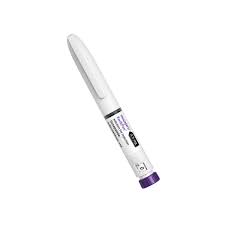 Buy Mounjaro, Tirzepatide, Zepbound prescription free online
Abstract
Mounjaro (tirzepatide) represents a landmark advancement in peptide-based metabolic science as the first approved dual glucose-dependent insulinotropic polypeptide (GIP) and glucagon-like peptide-1 (GLP-1) receptor agonist. Engineered as a 39-amino-acid synthetic peptide conjugated to a C20 fatty di-acid moiety, tirzepatide achieves balanced, high-affinity activation of both incretin receptors, producing metabolic effects that surpass those of selective GLP-1 receptor agonists in preclinical and clinical investigations. This article provides a comprehensive scientific examination of tirzepatide’s molecular architecture, receptor pharmacology, mechanistic basis, and research applications, establishing its position as a transformative compound in metabolic science and a benchmark for next-generation multi-targeted peptide therapeutics.
Introduction
The incretin system, comprising GLP-1 and GIP, represents a cornerstone of metabolic regulation, orchestrating glucose homeostasis, appetite control, and energy partitioning through complementary and synergistic mechanisms. For decades, therapeutic development focused predominantly on GLP-1 receptor agonism, with GIP historically overlooked due to perceived limitations in type 2 diabetes. Tirzepatide fundamentally challenges this paradigm by demonstrating that simultaneous, balanced activation of both GIP and GLP-1 receptors produces metabolic efficacy substantially greater than GLP-1 agonism alone. As the first dual incretin agonist to achieve regulatory approval, tirzepatide has redefined expectations for peptide-based metabolic research and established a new therapeutic class.
Molecular Architecture and Design
Tirzepatide is a 39-amino-acid synthetic peptide engineered from the native GIP sequence, incorporating strategic modifications that optimize its pharmacological profile. Unlike semaglutide, which is based on the GLP-1 backbone, tirzepatide utilizes the GIP backbone as its structural foundation, with key amino acid substitutions that confer GLP-1 receptor activity while maintaining potent GIP receptor engagement. The peptide contains a C20 fatty di-acid moiety conjugated to lysine at position 20, facilitating reversible albumin binding that extends its half-life to approximately five days. This pharmacokinetic profile supports once-weekly administration and maintains sustained receptor occupancy across the dosing interval.
The molecular design of tirzepatide reflects a sophisticated understanding of receptor pharmacology. The peptide demonstrates balanced potency at both GIP and GLP-1 receptors, with EC₅₀ values of 0.064 nM and 0.775 nM respectively. This balanced agonism is critical, as disproportionate activation of either receptor may disrupt the synergistic effects that underpin tirzepatide’s efficacy. The inclusion of two α-amino isobutyric acid (Aib) residues provides resistance to dipeptidyl peptidase-4 (DPP-4) degradation, ensuring metabolic stability and sustained bioavailability.
Receptor Pharmacology and Signaling
GIP Receptor Activation
GIP is a 42-amino-acid incretin hormone secreted by K-cells in the duodenum and jejunum in response to nutrient ingestion. The GIP receptor is a class B G protein-coupled receptor expressed in pancreatic β-cells, adipose tissue, bone, and various regions of the central nervous system. Upon GIP receptor engagement, tirzepatide activates Gαs-mediated signaling, increasing intracellular cyclic adenosine monophosphate (cAMP) production and activating protein kinase A (PKA). This signaling cascade enhances glucose-dependent insulin secretion, promotes β-cell survival and proliferation, and modulates adipose tissue metabolism.
Crucially, GIP receptor activation in adipose tissue promotes fatty acid uptake, lipogenesis, and energy storage under fed conditions, while also enhancing insulin sensitivity. In the central nervous system, GIP signaling influences appetite regulation and energy expenditure, complementing the anorectic effects of GLP-1. Emerging evidence suggests that GIP agonism may also attenuate the emetic effects associated with GLP-1 receptor activation, potentially improving tolerability.
GLP-1 Receptor Activation
GLP-1 is a 30-amino-acid incretin hormone secreted by L-cells in the distal ileum and colon. The GLP-1 receptor is expressed in pancreatic β-cells, gastric mucosa, and multiple regions of the brain, including the hypothalamus, brainstem, and reward centers. Tirzepatide’s GLP-1 receptor agonism stimulates glucose-dependent insulin secretion, suppresses glucagon release, delays gastric emptying, and reduces food intake through central appetite suppression.
The combination of GIP and GLP-1 receptor activation produces synergistic effects that cannot be achieved through either receptor alone. Preclinical studies have demonstrated that dual agonism results in greater insulin secretion, enhanced β-cell function, and more robust weight reduction compared to equivalent GLP-1 receptor agonism. This synergy reflects the complementary roles of GIP and GLP-1 in integrating peripheral and central metabolic signals.
Mechanistic Basis of Efficacy
Body Weight Reduction
Tirzepatide’s effects on body weight exceed those of selective GLP-1 receptor agonists. In clinical investigations, tirzepatide produced dose-dependent weight reductions of up to 15-20% of baseline body weight, surpassing the approximately 15% reductions observed with semaglutide. The mechanistic basis for this enhanced efficacy is multifactorial.
First, GIP receptor activation in adipose tissue enhances lipid buffering capacity, promoting healthy adipose tissue expansion and function. This may prevent the pathological lipid accumulation in ectopic sites (liver, muscle, pancreas) that contributes to metabolic dysfunction. Second, GIP signaling in the central nervous system modulates appetite and food preference through distinct neural pathways that complement GLP-1-mediated effects. Third, the combined incretin activation may enhance energy expenditure through mechanisms involving increased thermogenesis and fat oxidation.
Recent research has elucidated the adipose tissue remodeling effects of GIP/GLP-1 dual agonism. In preclinical models, tirzepatide treatment reversed adipose tissue dysfunction through coordinated changes in gene expression governing lipid turnover, mitochondrial biogenesis, and extracellular matrix remodeling. These effects extended beyond simple caloric reduction, suggesting direct actions on adipose tissue biology that contribute to sustained metabolic improvement.
Glycemic Control
Tirzepatide achieves robust glycemic control through multiple complementary mechanisms. GIP and GLP-1 receptor activation synergistically enhances glucose-dependent insulin secretion, with GIP contributing approximately two-thirds of the incretin effect in healthy individuals. The restoration of GIP sensitivity, which is impaired in type 2 diabetes, represents a key mechanistic advantage of tirzepatide over GLP-1-selective agonists.
Additionally, tirzepatide suppresses glucagon secretion in a glucose-dependent manner, reducing hepatic glucose output. The delay in gastric emptying and reduction in food intake further contribute to glycemic improvements by attenuating postprandial glucose excursions. In clinical trials, tirzepatide achieved reductions in HbA1c of up to 2.0-2.5%, establishing it among the most potent glucose-lowering compounds ever developed.
Comparative Pharmacology: Tirzepatide vs. Semaglutide
The comparison between tirzepatide and semaglutide provides important insights into the value of GIP co-agonism. While semaglutide is a highly potent GLP-1 receptor agonist with established efficacy, tirzepatide consistently demonstrates superior glycemic and weight-related outcomes in head-to-head clinical trials.
From a mechanistic perspective, semaglutide’s GLP-1-selective approach achieves significant metabolic benefits through appetite suppression and insulin secretion. However, tirzepatide’s GIP component adds an additional dimension: enhanced adipose tissue function, improved lipid metabolism, and potentially greater preservation of β-cell function. The GIP component may also contribute to improved tolerability, as GIP has been shown to reduce the nausea and emesis associated with GLP-1 activation.
Pharmacokinetically, both compounds support once-weekly administration, with half-lives of approximately seven days for semaglutide and five days for tirzepatide. However, tirzepatide achieves higher peak concentrations and more sustained exposure, potentially contributing to its enhanced efficacy.
Research Applications and Scientific Value
Tirzepatide serves as a valuable research tool for investigating incretin biology and metabolic regulation. Its dual-agonist mechanism provides a platform for studying the synergistic interactions between GIP and GLP-1 signaling in various tissues, including pancreas, adipose tissue, liver, and brain. Researchers utilize tirzepatide to explore fundamental questions about energy homeostasis, adipose tissue biology, and the pathophysiology of metabolic diseases.
Preclinical studies employing tirzepatide have advanced understanding of:
-
Adipose tissue remodeling and the molecular mechanisms of metabolic improvement
-
Central nervous system pathways mediating appetite and energy expenditure
-
β-cell preservation and regeneration in models of diabetes
-
The role of incretin signaling in cardiovascular and renal physiology
-
Immunometabolic interactions and the intersection of metabolism and inflammation
Conclusion
Tirzepatide represents a paradigm shift in metabolic research, demonstrating that the full potential of incretin-based approaches requires the synergistic activation of both GIP and GLP-1 receptors. Its unique molecular architecture, balanced receptor pharmacology, and demonstrated superiority over GLP-1-selective agonists have established it as the benchmark for next-generation metabolic research. As the first approved dual incretin agonist, tirzepatide continues to inform the development of even more sophisticated multi-targeted peptides, including triple agonists like retatrutide, and remains an invaluable tool for investigating the complex biology of metabolic regulation.
The scientific legacy of tirzepatide extends beyond its clinical outcomes; it has fundamentally reshaped understanding of incretin biology and demonstrated the power of multi-targeted approaches in addressing complex metabolic disorders. As research continues to elucidate the full scope of GIP and GLP-1 signaling, tirzepatide will remain at the forefront of metabolic science, driving discovery and informing the next generation of peptide-based therapeutics.
Buy Mounjaro, Tirzepatide, Zepbound prescription free online